
Currently Empty: $0.00

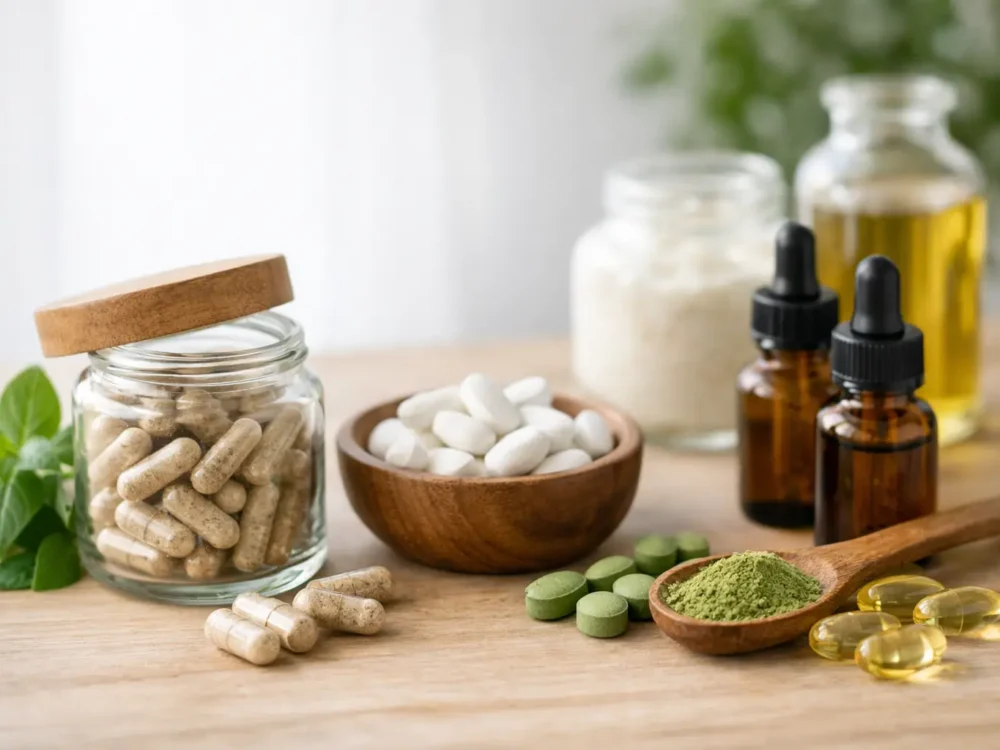
A front label can promise “natural,” “pure,” or “wellness support” in oversized type while the details that matter sit in tiny print on the back. Knowing how to choose clean label supplements means looking past attractive packaging and deciding whether a product earns a place in your routine.
For busy professionals, active adults, and anyone building a simpler wellness cabinet, clean-label shopping should not mean chasing perfection. It means choosing products with clear ingredients, sensible doses, quality-focused manufacturing, and a format you will actually use consistently.
What “Clean Label” Should Mean for Supplements
Clean label is not a regulated, one-size-fits-all legal definition. That means brands can use the phrase differently. A genuinely clean supplement generally makes it easy to understand what you are taking and why each ingredient is there.
Start with a short, recognizable ingredient list. This does not mean every ingredient must sound like something from your kitchen. Some nutrients require scientific names, and a capsule shell or tablet binder can serve a real functional purpose. The question is whether the formula is transparent and whether the extra ingredients are reasonable for the product format.
For example, an electrolyte effervescent tablet needs ingredients that help it dissolve, taste pleasant, and remain stable. A softgel needs an outer shell to protect the oil inside. Those practical ingredients are not automatically a red flag. What matters is that they are disclosed clearly and do not overwhelm the active ingredients you bought the product for.
A clean label should also avoid hiding ingredients inside vague blends. If a label says “proprietary wellness complex” without telling you the amount of each component, it is harder to know whether the formula is meaningful, compatible with your needs, or worth the price.
How to Choose Clean Label Supplements From the Label
The Supplement Facts panel is where a product becomes more than a marketing promise. Read it before you compare flavors, discounts, or social-media reviews.
Identify the active ingredient and its dose
First, ask a simple question: what is this supplement meant to provide? If you are choosing an electrolyte product, look for the actual amounts of sodium, potassium, magnesium, and other minerals per serving. If you are buying a botanical oil or seed powder, confirm the ingredient form and serving size.
Dose matters as much as the ingredient name. Two products can both contain black seed oil, apple cider vinegar, or moringa, yet provide very different quantities per serving. More is not always better, especially with concentrated extracts. The right dose depends on the ingredient, your diet, medications, health status, and the product’s intended use.
Be cautious with labels that make a long list of benefits but provide only a tiny amount of each featured ingredient. A formula with 15 trendy actives may look impressive, but it can be less useful than a focused product with clearly stated amounts.
Turn the bottle around and read “Other Ingredients”
This section tells you what supports the formula beyond the active ingredients. Look for full disclosure rather than a long list of unfamiliar fillers. Common functional ingredients can include vegetable capsules, natural flavors, citric acid, or anti-caking agents. Their presence is not necessarily a problem.
The better question is whether they align with your preferences and the product’s purpose. If you avoid animal-derived ingredients, check whether capsules are vegan. If you have food sensitivities, scan for allergens and statements about shared facilities. If you prefer to minimize artificial colors, sweeteners, or unnecessary dyes, this is where you will spot them.
A clean-label formula should never make you guess what you are swallowing. The label should name ingredients plainly, disclose major allergens, and provide directions that are easy to follow.
Check the serving size before judging value
A bottle with 60 capsules does not always equal 60 days of use. If the recommended serving is two capsules daily, it lasts one month. The same applies to powders, gummies, effervescents, and liquid oils.
Calculate value by the cost per daily serving, not the headline bottle price. This is particularly useful when deciding between a single product and a bundle. A deal only helps if the supplement fits your routine, meets your standards, and will be used before its expiration date.
Look for Quality Signals That Can Be Verified
Quality claims should be specific enough to evaluate. Terms such as non-GMO, vegan, cruelty-free, organic, or gluten-free can help shoppers narrow options, but each signal answers a different question.
Organic certification speaks to how applicable agricultural ingredients were grown or handled. Vegan tells you no animal-derived ingredients are intended in the formula. Non-GMO addresses genetic modification. None of these terms, alone, proves that a supplement contains an effective dose or has been tested for contaminants.
Use quality badges as part of the picture, not the entire decision. Strong products usually combine transparent labeling with clear sourcing or manufacturing information, realistic claims, and batch or expiration details. A trustworthy brand should not rely on buzzwords while avoiding basic questions about what is in the bottle.
When available, look for evidence of independent testing or testing practices relevant to the product category. This can be especially valuable for botanical ingredients, oils, and mineral formulas, where identity, purity, and contamination control matter. Not every good product will carry the same third-party certification, but brands should be prepared to explain their quality standards.
Four practical checks can make your comparison faster:
- A complete Supplement Facts panel with individual ingredient amounts
- A clearly listed “Other Ingredients” section and allergen information
- A visible expiration date, lot number, and storage guidance
- Specific quality claims that are supported by transparent product details
Choose a Format You Can Use Consistently
The cleanest formula is not helpful if it stays unopened in a cabinet. Format is a practical quality factor because consistency usually matters more than buying the most complicated regimen.
Softgels can be a convenient option for oils because they offer pre-measured servings and travel easily. Capsules suit people who prefer a fast, no-taste routine. Effervescent tablets can make hydration supplements easier to remember, especially for people who struggle to drink enough water during workouts, commutes, or long desk days.
Powders and liquids can offer flexibility, but they require measuring, mixing, or refrigeration in some cases. A liquid oil may work well for someone who wants a multipurpose pantry and beauty staple, while softgels may better fit a packed work schedule. Neither choice is universally better. Choose the option that matches your habits without adding friction.
Taste also counts. If an effervescent tablet helps you drink water more regularly, that convenience has value. Review the sweetener and flavor ingredients, then decide whether they fit your preferences. Clean label does not have to mean flavorless or inconvenient.
Match the Product to a Real Need, Not a Trend
Before adding a supplement to your cart, define the job it needs to do. Are you looking for an easier way to support hydration around training? A straightforward traditional botanical for your daily routine? A convenient alternative to a sharp-tasting liquid? A focused answer leads to a focused product choice.
Avoid stacking multiple formulas with overlapping ingredients without checking totals. This is common with multinutrients, pre-workouts, hydration products, and sleep blends. Too much of a nutrient may be unnecessary and, in some cases, unsuitable for your circumstances.
If you are pregnant, nursing, managing a medical condition, preparing for surgery, or taking prescription medication, speak with a qualified health professional before starting a new supplement. Botanicals and concentrated nutrients can interact with medications or be inappropriate at certain doses. A clean label supports informed choices, but it does not replace individualized medical guidance.
Watch for Claims That Sound Too Good
The strongest wellness products make clear, responsible claims. Be skeptical of any supplement that promises to cure a disease, deliver instant transformation, melt fat without lifestyle changes, or work identically for everyone.
Wellness is rarely one-product magic. Hydration products work best alongside adequate fluid intake. Beauty-focused oils are part of a broader hair and skin routine. Traditional ingredients can be useful additions to daily habits, but they should be presented with honesty rather than exaggerated guarantees.
Customer reviews can help you understand taste, convenience, packaging, and routine fit. They are less reliable for proving that a product will produce the same health outcome for you. Use reviews as one input, then return to the label, dose, and quality information.
Build a Cleaner, Simpler Supplement Routine
You do not need a shelf full of bottles to shop well. Start with one or two products that match a genuine need and use them as directed. Pay attention to how easily they fit your schedule, whether you tolerate them well, and whether the brand provides the clarity you expected.
The best clean-label supplement is not the one with the loudest purity claim. It is the one with transparent ingredients, an appropriate dose, credible quality practices, and a format that supports the routine you can keep tomorrow morning.